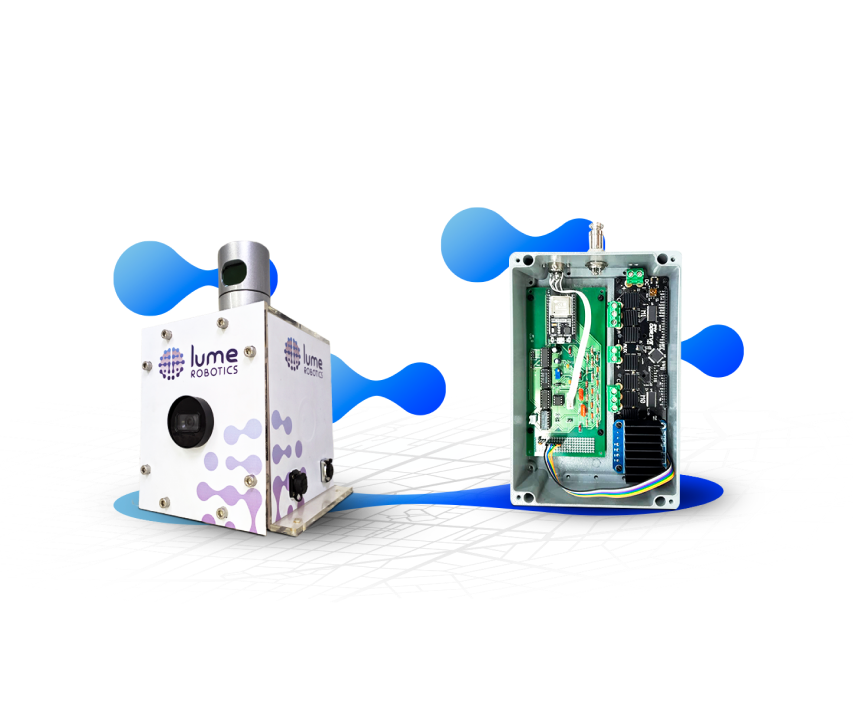
Advanced robotic system composed of hardware and software that enables a vehicle to navigate fully autonomously, without the need for a human driver.
The Lume Autonomous Mobility System can create maps and routes for a given region. Using these maps and dynamic sensor information, the system instantly locates itself within the mapped area and can travel autonomously, avoiding static and dynamic obstacles, handling all traffic elements, and reaching the predefined destination.
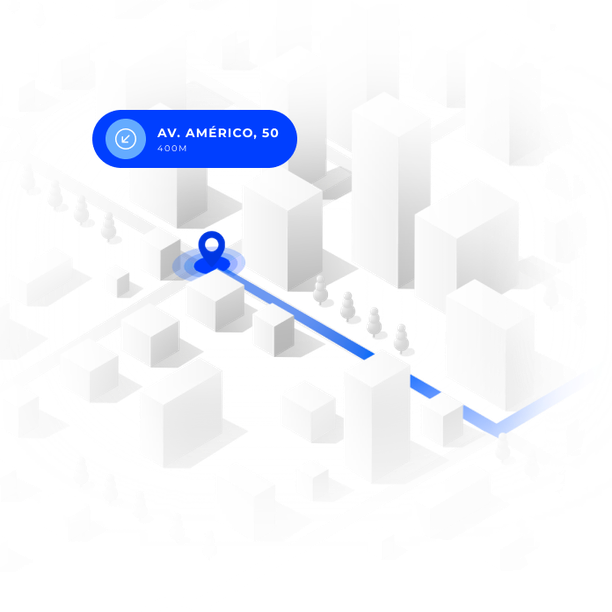

Uses data collected by external sensors (LiDAR, Radar, IMU, GPS) and internal sensors (vehicle odometry) to generate real-time maps and locate the vehicle within them.

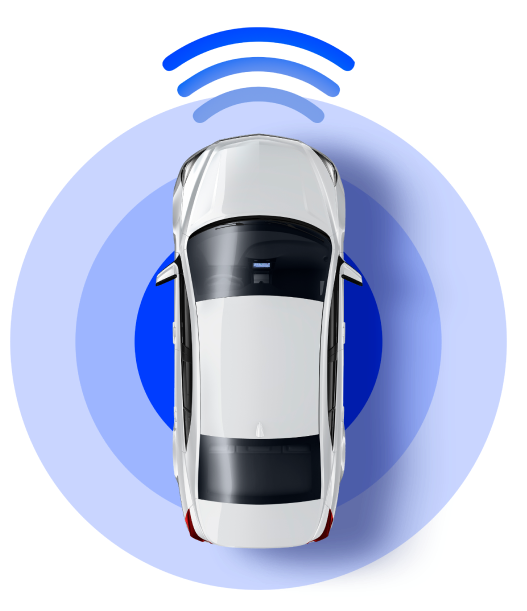
Observes the 360° environment around the vehicle, detecting any type of obstacle such as pedestrians, vehicles, animals, potholes, and more. It also recognizes all traffic elements: traffic lights, pedestrian crossings, speed bumps, barriers, signs, etc.

Performs integrated tasks of route planning, motion planning, and vehicle control, sending electronic signals to the acceleration, braking, and steering actuators, avoiding static and moving obstacles, or parking the vehicle to prevent collisions.

Defines the vehicle's behavior in each situation, such as waiting for a green light, following a route, stopping in front of an obstacle, parking at the destination, among others.
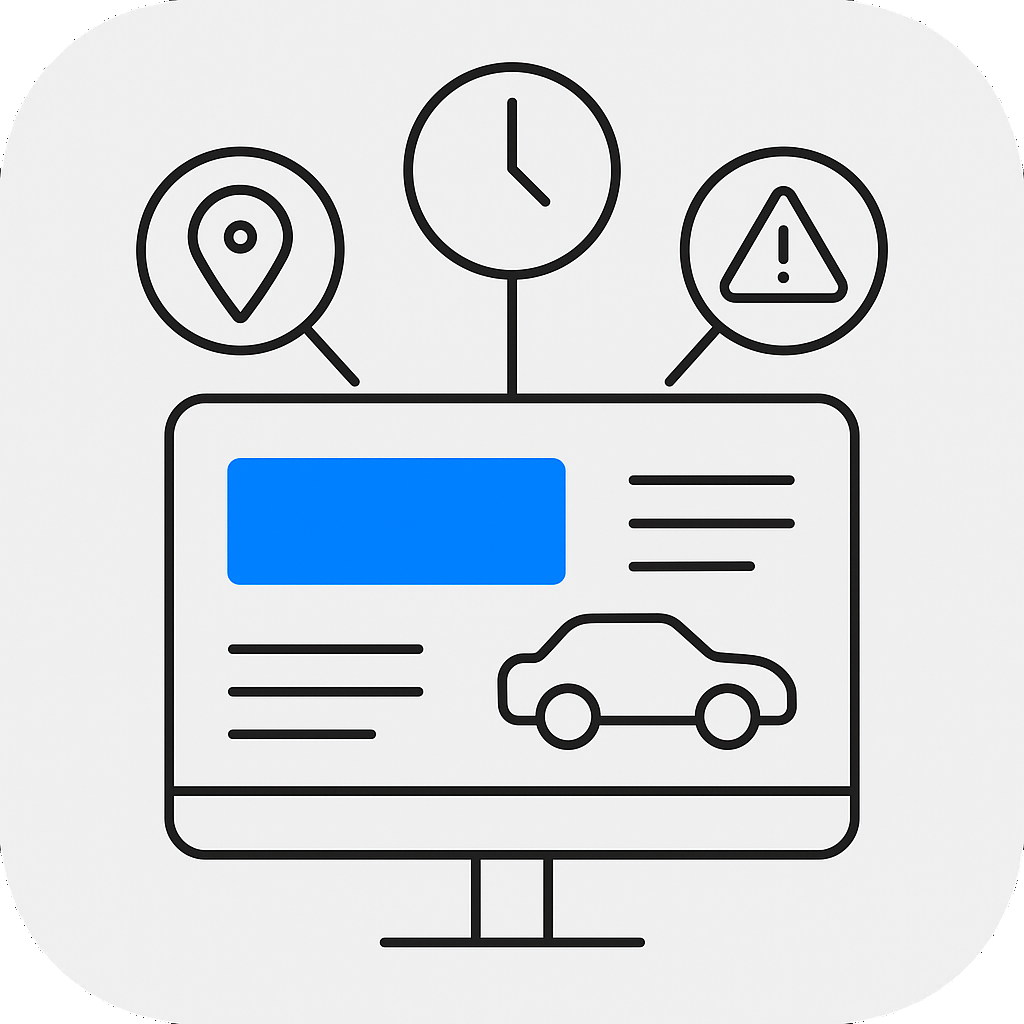
Interface for remote users to define transport demands (missions) and forward them to autonomous vehicles; in the opposite direction, this interface displays real-time information received from the autonomous vehicles: location, speed, status, alerts and images
Uses fusion of multiple sensors such as LiDAR, IMU, GPS RTK, and cameras.
Applied in the transport of people and materials.
Reduces accidents by up to 94%.
Cost reduction:
Depreciation by up to 24%
Operational expenses by up to 17%
Labor costs by up to 75%.
Lume Robotics is a startup founded in 2019 by researchers participating in the IARA Project (Intelligent Autonomous Robotic Automobile) from the High-Performance Computing Laboratory (LCAD) at the Federal University of Espírito Santo (UFES), which began in 2009.
In 2017, the IARA Project marked a milestone in the history of autonomous cars by completing a 74 km journey from the UFES campus in Vitória to the city of Guarapari, passing through three municipalities in normal traffic conditions including streets, avenues, highways, bridges, toll plazas, traffic lights, and other road situations.
With expertise in advanced technologies such as deep neural networks (Deep Learning), Artificial Intelligence, computer vision, and autonomous robotics, we leverage our knowledge to develop solutions that address practical industry and societal challenges, always putting people first.
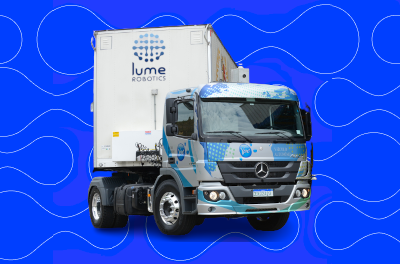
Level 4 autonomous solution applied in industrial plants to optimize the productivity of transportation and internal logistics operations, ensuring efficiency, precision, and safety.
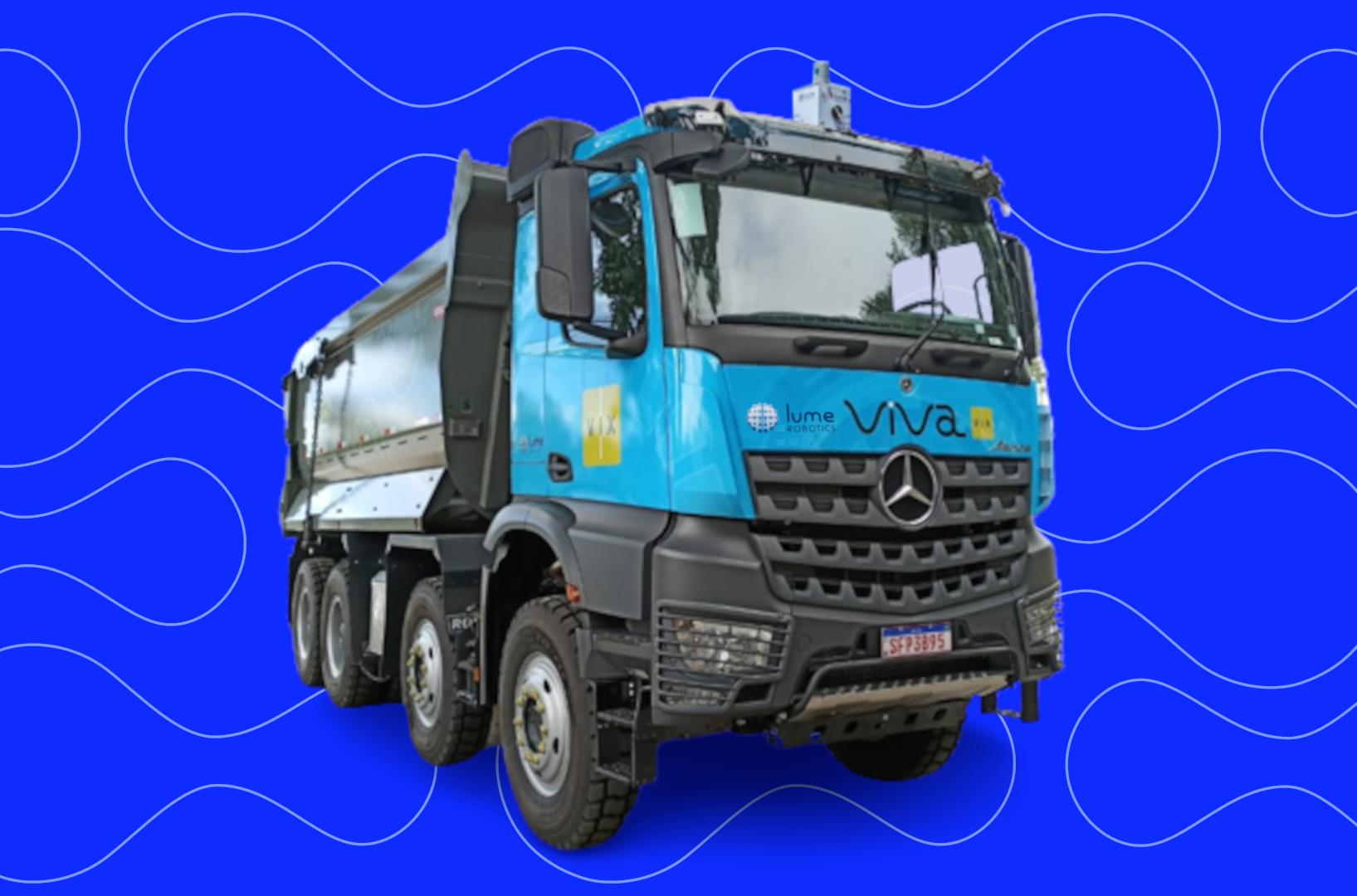
Mercedes-Benz Arocs truck for autonomous operation in mining environments.
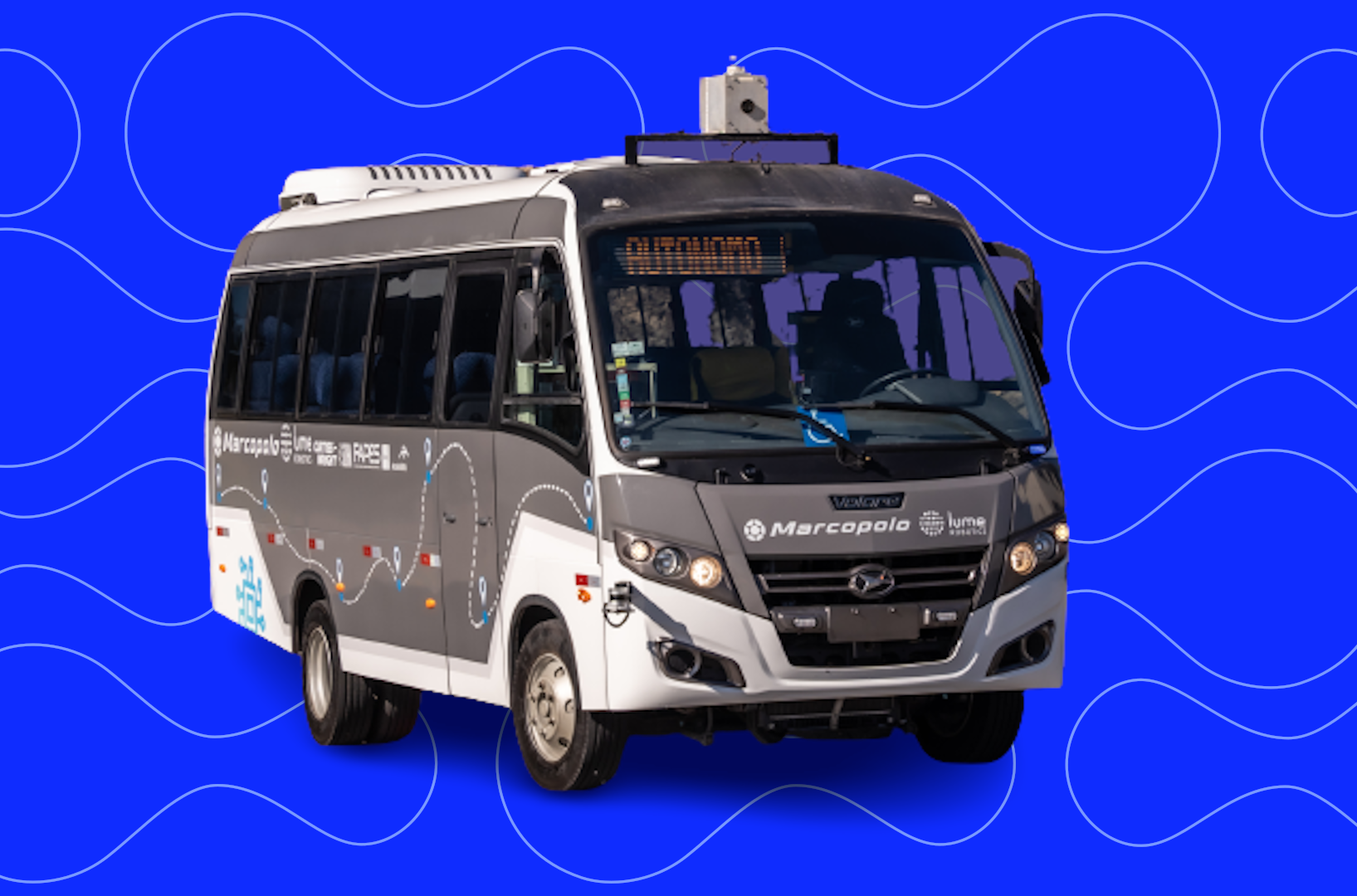
Marcopolo Volare minibus for autonomous operation in corporate environments.
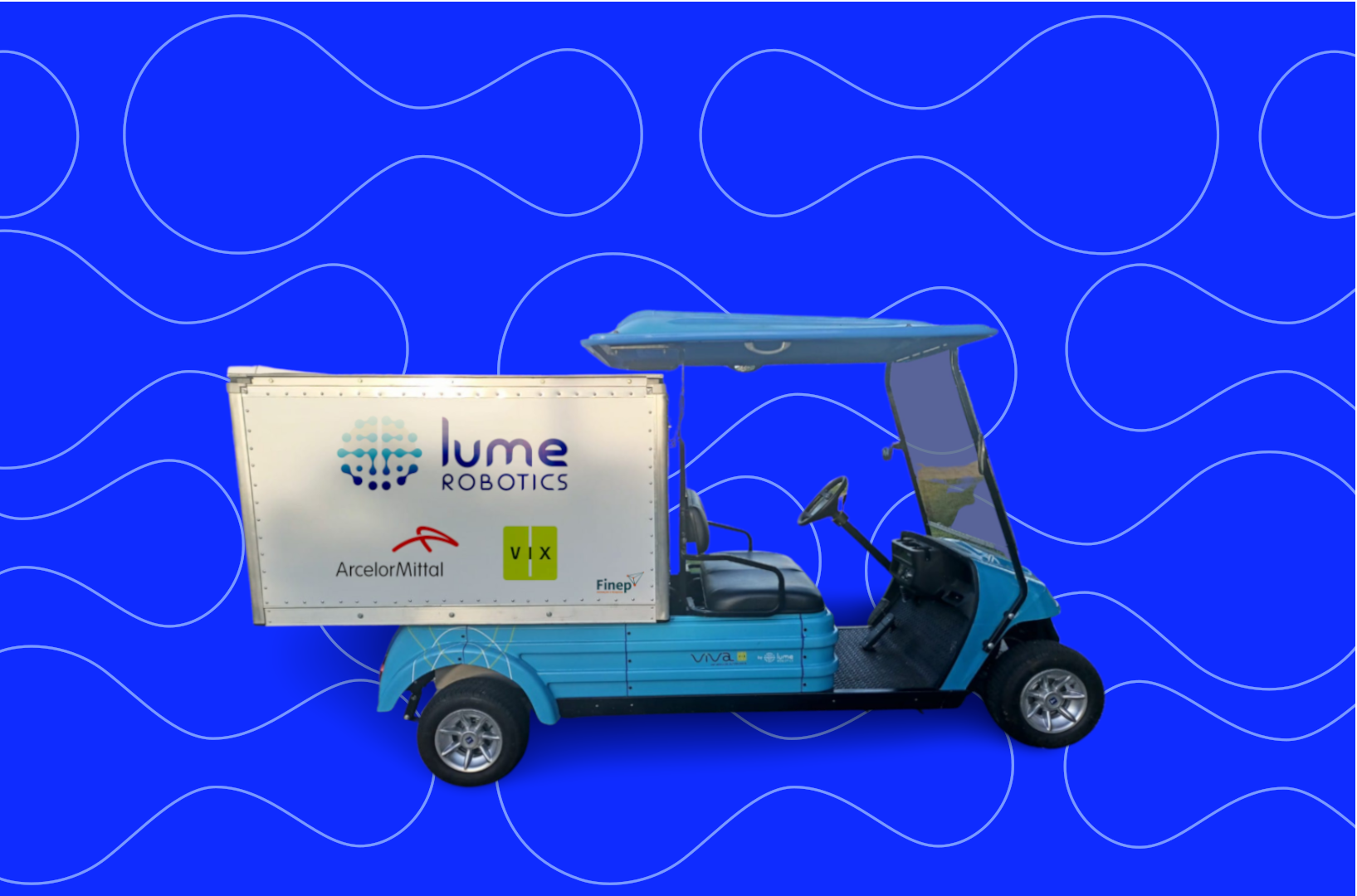
Autonomous electric utility vehicle for transporting small loads.
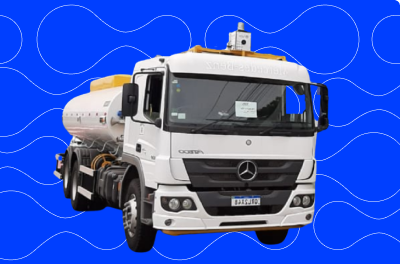
Mercedes-Benz autonomous truck for road humidification, without a driver, at the Tubarão Complex, in partnership with VALE and UFES.
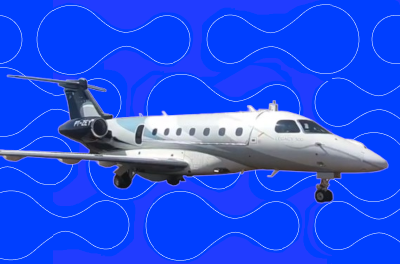
In 2019, in a project in partnership with UFES and Embraer, the first autonomous taxiing of an aircraft in the world was carried out. The members of Lume Robotics played key roles in coordinating and executing R&D activities for this project.
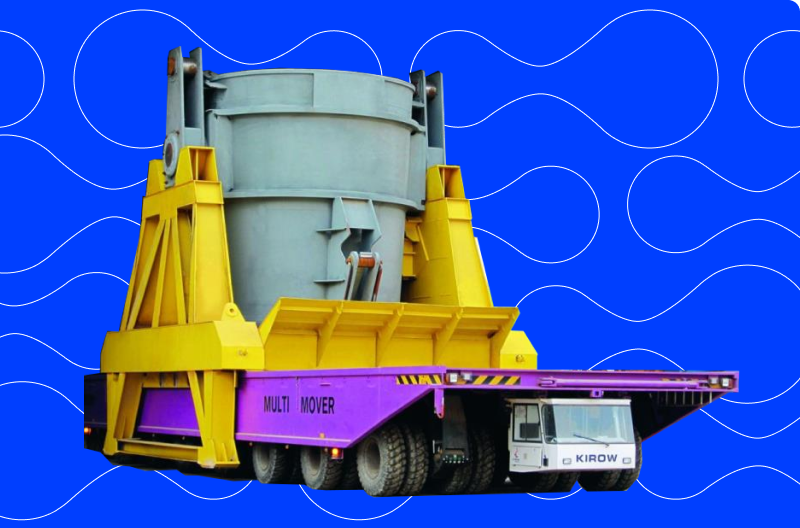
Ultra-heavy vehicle from Kirow MPW 700 with 16 axles for transporting liquid pig iron, without an operator, at the Ternium Brasil steel plant.